
Have Any Question?
+86 15018094056
Our Working Hours?
7 * 24h
Our Email?
service@evyny.com
+86 15018094056
7 * 24h
service@evyny.com
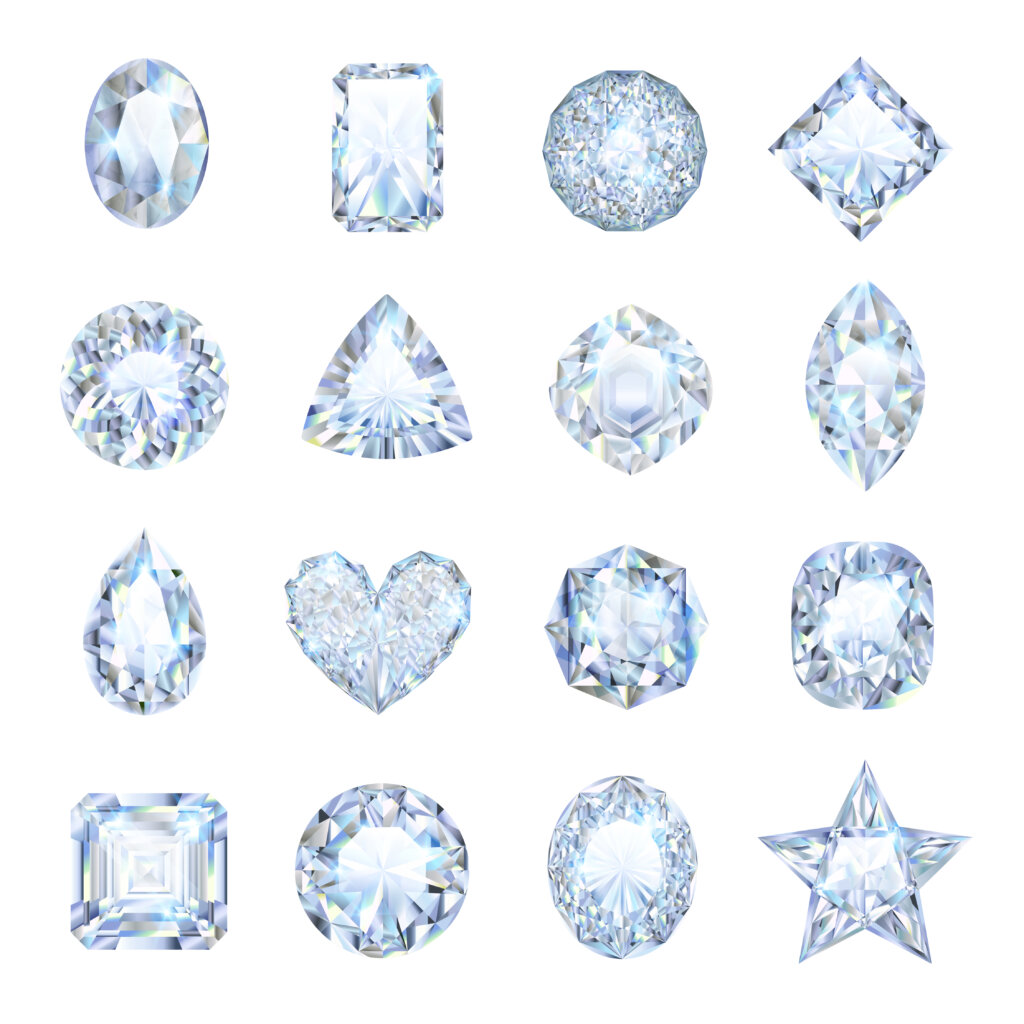
As sustainability, transparency, and innovation continue to redefine the jewelry industry, one of the most significant shifts we’ve seen is the rise of lab-grown diamonds. These diamonds are no longer niche; they are becoming mainstream — especially for jewelry designers looking to meet changing customer expectations and ethical standards.
In this guide, we’ll explore everything you need to know about lab-grown vs. mined diamonds — from their formation and properties to cost, sustainability, and sourcing options. Whether you’re an emerging jewelry designer or a seasoned professional, this article will help you make informed decisions for your next collection.
Lab-grown diamonds, also known as man-made or synthetic diamonds, are created in controlled laboratory environments using advanced technological processes that replicate the conditions under which natural diamonds form in the Earth’s mantle.
Despite misconceptions, lab-grown diamonds are not fake. They are chemically, physically, and optically identical to natural mined diamonds. The main difference lies in their origin.
Natural diamonds are formed deep within the Earth, approximately 100 miles below the surface, under intense heat and pressure. These gems can be up to 3 billion years old and are brought to the surface through volcanic eruptions that form diamond-bearing rocks like kimberlite and lamproite.
The rarity and geological journey of mined diamonds have historically contributed to their perceived value and status. However, the environmental and ethical implications of diamond mining have increasingly come under scrutiny.
Let’s break down the pros and cons of lab-grown and mined diamonds to help you make the best choice for your jewelry designs.
| Feature | Lab-Grown Diamonds | Mined Diamonds |
| Origin | Laboratory-grown | Earth-mined |
| Chemical Composition | Carbon (C) | Carbon (C) |
| Visual Appearance | Identical to natural diamonds | Natural brilliance |
| Cost | 10–30% less expensive | Higher cost due to rarity |
| Environmental Impact | Lower water usage, but high energy consumption | Land disruption, water pollution, CO₂ emissions |
| Resale Value | Generally lower | Traditionally higher resale value |
| Ethical Concerns | Minimal human rights issues | Potential labor and environmental abuses |
| Sourcing Transparency | Easier to trace lab sources | Depends on the mine and origin |
In the past few years,we’ve noticed a major shift. More and more jeweler — both new and established — are requesting lab-grown diamonds for their collections. This isn’t just a trend; it’s a reflection of evolving consumer values and market demands.
While lab-grown diamonds are often marketed as “eco-friendly,” the truth is more nuanced.
One of the biggest advantages of lab-grown diamonds is traceability. Since they are created in controlled environments, it’s much easier to track their origins — a huge benefit for jewelry designers committed to transparency and ethical manufacturing.
But the mined diamond industry is also evolving. Initiatives like Fairmined, Fairtrade Gold, and blockchain-based tracking systems are emerging to help consumers understand where their diamonds come from.
Regardless of which type you choose, ensure that:
Today’s consumers — especially younger demographics — want more than just beautiful jewelry. They want pieces that align with their values, from sustainability to human rights.
As a jewelry brand, providing transparency on materials, sourcing, and environmental practices isn’t optional anymore — it’s expected. Whether you’re using lab-grown diamonds or mined ones, consider including:
A well-informed customer is a loyal customer.
If you’re a jewelry designer looking to source lab-grown diamonds, here are a few reputable companies to consider (based on independent research and industry experience):
Diamond Foundry – US-based, uses renewable energy
WD Lab Grown Diamonds – Focuses on sustainability and ethical practices
Green Rocks Diamonds – Offers transparency and full certification
Lightbox Jewelry – Backed by De Beers, known for innovation
Miadonna – Strong ethical positioning and charitable giving
Remember, always ask for certifications and ask about their sustainability efforts before committing.
There’s no universal answer — both lab-grown and mined diamonds have their place in the market. Your choice should depend on your brand values, your target customers, your budget, and your long-term goals.
If your brand is sustainability-focused and caters to modern, conscious consumers, lab-grown diamonds can be an excellent option. If your designs are positioned around rarity, heritage, and investment value, mined diamonds may be a better fit.
Whichever direction you go, education and transparency are your strongest tools. Help your customers understand your choices and stand confidently behind them.

Jinfeng Jewelry Building B, Meibei Industrial Area, Meilong Town, Haifeng County, Shanwei City, Guangdong Province, China
+86 15018094056
service@evyny.com