Have Any Question?
+86 15018094056
Our Working Hours?
7 * 24h
Our Email?
service@evyny.com
+86 15018094056
7 * 24h
service@evyny.com
If you’re a jewelry designer launching a new collection and planning to work with a manufacturer, this is an essential topic to understand. In this article, we’ll break down how sourcing works—whether you’re sourcing semi-precious gemstones, chains for pendants, or even more rare stones—so you’re better equipped to navigate conversations with your chosen jewelry manufacturer.
As a China, we’ve been manufacturing sterling silver and brass jewelry for designers since 2005. Over the years, we’ve worked with hundreds of designers, and each one approaches stone and chain sourcing differently.
When it comes to gemstones, the first thing we ask our clients is what kind of stones they want to use. The reason? Some stones are easy to source , while others require special arrangements.
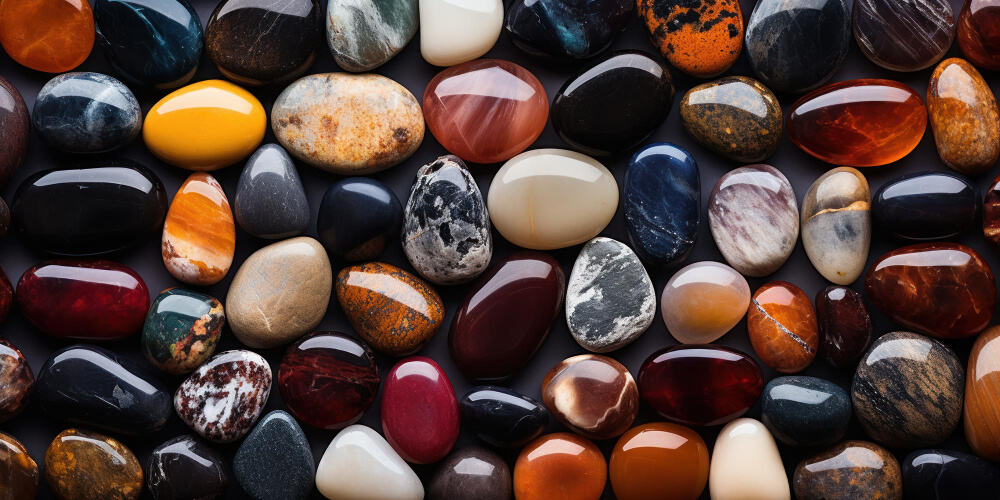
These are what we consider “commercial” or semi-precious stones and are typically available in standard shapes and sizes (e.g., 2mm to 8mm rounds). With decades of relationships built with gemstone suppliers, sourcing these stones is relatively straightforward for us.
For precious stones like emeralds, sapphires, or diamonds, it’s vital that you, as a designer, are clear about grade,color,clarity,and budget
If you’re unsure, that’s perfectly fine. In most cases, we provide a mid-range quote—a balance between quality and cost—to give you a solid starting point. From there, we can adjust the grade or size of the stone to meet your budget.
However, for rare or unusual stones, we may not always be able to source them. In those cases, we recommend that designers:
Source the stones themselves
Work directly with reputable stone suppliers (commonly based in China,India, Pakistan, or Thailand)
Send us the stones for setting
Working directly with a gemstone supplier gives you control over quality, certification, and pricing—and we’re more than happy to incorporate your stones into your pieces.
Here are a few best practices when sourcing stones:
If you’re creating pendants, you’ll likely want to offer them with matching chains. This is another area where we receive frequent questions.
Yes—absolutely. We source many types of standard chains for our customers in small bulk quantities, especially the most popular styles:
Fifteen years ago, snake chains were trending, but today’s market favors cable and rolo styles for their strength and versatility.
We typically source these chains from established chain manufacturers, these factories produce chains by the meter on large rolls, and we purchase from them to assemble with your jewelry.
If your design involves a larger, custom link, we handle that in-house via:
This method is ideal for statement chains or bespoke designs that deviate from standard mass-market chains.
Whether you’re sourcing gemstones, shell materials (like mother of pearl, onyx, or turquoise), or chains, always communicate clearly with your manufacturer.
In our jewery factory, we support both scenarios:
This flexibility allows our designers to build the collections they envision while benefiting from our expertise in casting, stone setting, and finishing.
If you’re a jewelry company just starting out or scaling up your collection, take the time to research your options, understand how different jewelry manufacturers operate, and decide what sourcing method works best for your brand.


Jinfeng Jewelry Building B, Meibei Industrial Area, Meilong Town, Haifeng County, Shanwei City, Guangdong Province, China
+86 15018094056
service@evyny.com
